















The Right Glove for the Right Job Starts Here
Choosing the right disposable glove is more than a matter of preference. In commercial cleaning, food service, automotive, healthcare, and facility maintenance, the glove material you choose directly affects comfort, durability, chemical resistance, and cost efficiency. We offer a wide range of latex, vinyl, and nitrile gloves designed for different environments and job demands.
Here’s a practical breakdown of the pros and cons of each glove material and where each performs best.
Understanding the Three Main Glove Materials
Disposable gloves generally fall into three categories:
- Nitrile
- Latex
- Vinyl
Each material has strengths and limitations, and no single glove is ideal for every application.
Nitrile Gloves: The Industry Favorite
Many professionals consider nitrile the gold standard for disposable gloves because of its durability and chemical resistance. Nitrile provides the highest puncture resistance and strong barrier protection against chemicals and contaminants with some skus offering documented resistance to fentanyl for up to 90 minutes of exposure. For maintenance crews and janitorial teams using degreasers, disinfectants, or stronger chemicals, nitrile is usually the safest all-around choice. Nitrile gloves are commonly available in black or blue, but can also be purchased in a variety of other colors and thicknesses.


Pros of Nitrile Gloves
- Excellent puncture resistance
- Strong protection against chemicals and petroleum-based products
- Latex-free, reducing allergy concerns
- Long shelf life
- Comfortable fit with good tactile sensitivity
- Ideal for automotive, janitorial, plumbing, industrial, and sanitation work
Cons of Nitrile Gloves
- Typically the most expensive disposable glove option
- Less stretch than latex
- Premium heavy-duty nitrile can reduce finger dexterity slightly
Best Uses for Nitrile
- Commercial cleaning
- Chemical handling
- Automotive repair
- Manufacturing
- Food processing
- Healthcare and exam environments
Latex Gloves: Superior Comfort and Flexibility
Latex gloves were once the standard across nearly every industry because of their comfort and flexibility. Latex still provides some of the best elasticity, fit, and tactile sensitivity available. Latex is often the most comfortable option for workers wearing gloves for extended periods, but allergy concerns have pushed many facilities toward nitrile alternatives.


Pros of Latex Gloves
- Exceptional comfort and flexibility
- Excellent tactile sensitivity
- Forms naturally to the hand
- Great dexterity for detailed tasks
- Often preferred for precision work
Cons of Latex Gloves
- Can trigger latex allergies or sensitivities
- Some operations prohibit latex gloves
- Less resistant to harsh chemicals than nitrile
- Shelf life can be shorter than nitrile
Best Uses for Latex
- Light industrial work
- Precision cleaning tasks
- Painting
- Electronics assembly
- Medical and dental environments requiring dexterity
Vinyl Gloves: Budget-Friendly and Versatile
Vinyl gloves are made from PVC and are widely used when frequent glove changes are required as a value-forward option for food service, janitorial work, and other light-duty applications. Vinyl is often the best solution when glove changes are frequent and cost control matters more than maximum durability.
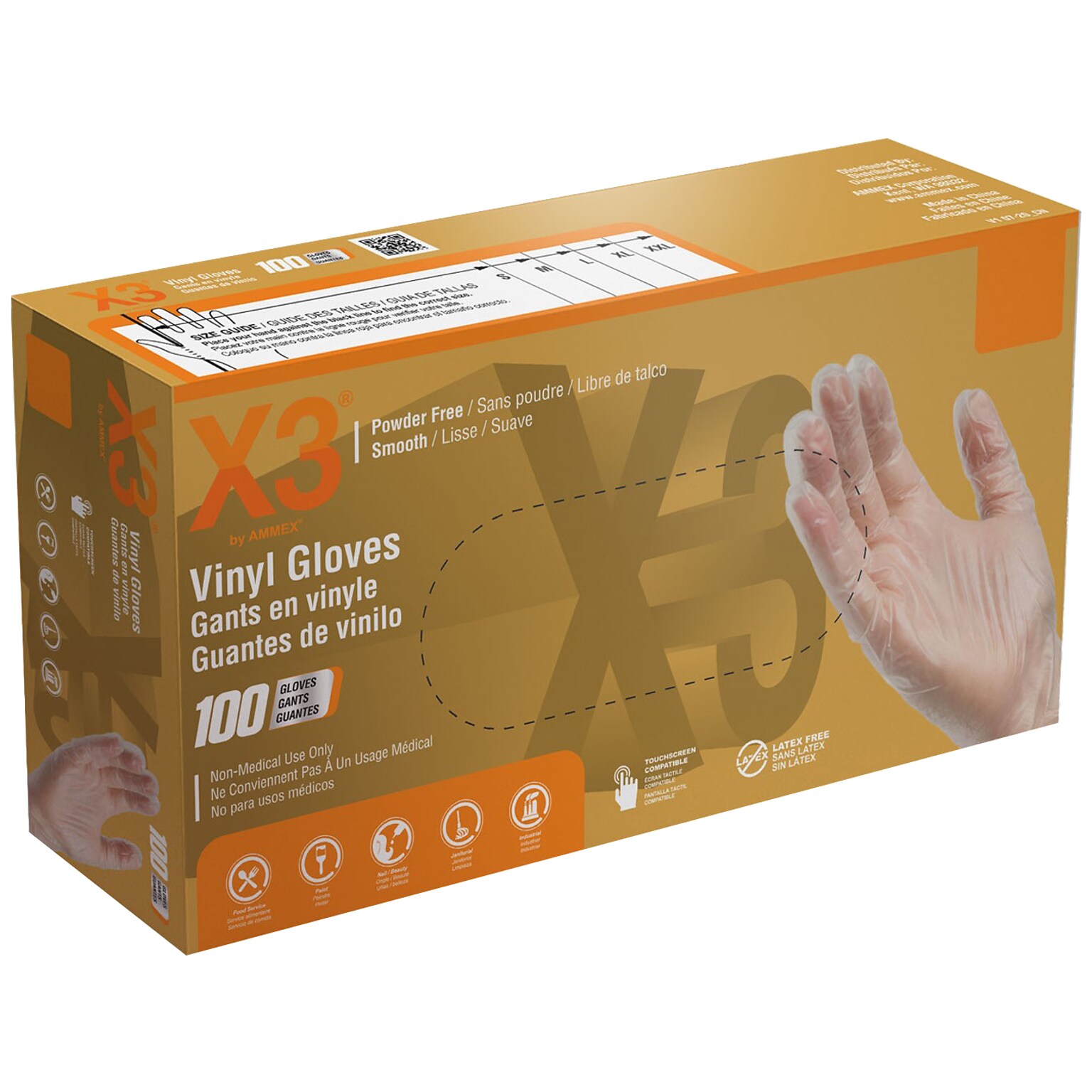

Pros of Vinyl Gloves
- Most affordable disposable glove option
- Latex-free
- Comfortable loose fit
- Good for quick glove changes
- Works well for low-risk tasks
Cons of Vinyl Gloves
- Lowest puncture resistance
- Less elasticity and flexibility
- Looser fit reduces tactile sensitivity
- Not ideal for petroleum-based chemicals or heavy-duty applications
Best Uses for Vinyl
- Food service
- Housekeeping
- Light janitorial cleaning
- Beauty and salon work
- Front-of-house hospitality
- Low-risk medical exams
Quick Comparison Table
| Feature | |||
|---|---|---|---|
| Chemical Resistance | Excellent | Moderate | Basic |
| Puncture Resistance | Excellent | Good | Fair |
| Comfort & Flexibility | Very Good | Excellent | Moderate |
| Allergy Risk | None | Possible latex allergy | None |
| Cost | Highest | Mid-range | Lowest |
| Best For | Industrial & janitorial | Precision tasks | Frequent glove changes |
| Petroleum Resistance | Excellent | Moderate | Poor |
Which Disposable Glove Is Best?
The “best” glove depends entirely on the application.
- Choose nitrile when durability, chemical resistance, and protection matter most.
- Choose latex when comfort and dexterity are the priority.
- Choose vinyl when affordability and frequent glove changes are the main concern.
For most commercial cleaning operations, nitrile has become the preferred option because it balances protection, comfort, and versatility without allergy concerns. However, vinyl remains an economical choice for lighter cleaning tasks and food-contact environments, while latex still excels in applications requiring precision and sensitivity.
The key is matching the glove material to the actual job instead of using a one-size-fits-all approach.
Still have questions? Contact us today for assistance in finding the right gloves for your job and a customized quote.
770-448-2408 admin@americas1stmaintenance.com